
Data Center Construction Process: Step-by-Step From Site Prep to Turnover
Data center construction is not a standard commercial building project. It is a highly coordinated process that connects early site planning with critical infrastructure, commissioning, and operational handoff.
The full data center construction process can take years depending on the size of the facility, utility availability, permitting, equipment lead times, and project complexity. Broadstaff’s guide to the data center construction timeline explains how planning, construction, commissioning, and turnover each affect the overall schedule.
For builders, operators, and infrastructure teams, the real challenge is keeping each phase aligned from site prep through turnover.
What Is the Data Center Construction Process?
The data center construction process is the step-by-step path from site selection and preparation to final commissioning and operational turnover. It includes planning, permitting, design, procurement, civil work, shell construction, MEP installation, network setup, testing, and handoff to operations.
Each phase affects the next. A delay in utility coordination can slow site work. Late switchgear or generator delivery can affect electrical installation. Missing documentation can hold up turnover even after the physical work is complete. That is why data center construction requires both a strong build plan and a strong workforce plan.
Why Data Center Construction Requires More Than a Standard Build Plan
Data centers are built around uptime, redundancy, and risk control. Every system has to support safe, continuous operation.
Power, Cooling, and Redundancy Shape the Entire Project
Power and cooling decisions influence almost every construction phase. Electrical rooms, generators, UPS systems, chillers, CRAH or CRAC units, controls, fire protection, and network pathways all need to be coordinated early.
This is becoming even more important as AI and high-density workloads increase demand on power infrastructure. The U.S. Department of Energy reports that data center load growth has tripled over the past decade and is projected to double or triple by 2028.
That growth puts more pressure on site selection, utility planning, equipment procurement, and skilled labor availability.
Staffing Gaps Can Become Schedule Gaps
Even the best construction schedule can fall apart if the right people are not available at the right time.
A data center project may need leadership, field, engineering, commissioning, network, and operations talent working in sequence. When those roles are not planned early, projects can lose time during the most critical phases: MEP installation, commissioning, and turnover.
Step-by-Step Data Center Construction Process
Every project is different, but most data center builds follow a similar sequence from site prep to turnover.
1. Site Selection, Due Diligence, and Utility Planning
The process starts before construction crews arrive. Developers and operators need to confirm whether the site can support the facility’s long-term needs.
This stage often includes:
- Power availability
- Fiber connectivity
- Water and cooling needs
- Zoning and permitting requirements
- Utility coordination
- Access roads and logistics
- Local labor availability
Power is often one of the biggest early constraints. A site may look attractive on paper, but if utility capacity, substation access, or transmission timelines do not align with the project schedule, the build can face serious delays.
This is also where companies begin evaluating engineering partners, specialty contractors, and the top data center construction companies needed to support the build from early planning through turnover.
2. Site Prep, Civil Work, and Early Construction Mobilization
Once the site is approved and early permits are in place, the project moves into site preparation and civil work.
This phase may include:
- Clearing, grading, and excavation
- Drainage and stormwater systems
- Access roads and laydown areas
- Temporary power and utility pathways
- Grounding systems, foundations, and equipment pads
Site prep sets the foundation for the entire build. Poor grading, delayed utility routes, or weak site logistics can affect every later phase.
The key roles during this stage often include civil crews, construction managers, field supervisors, safety leads, and quality control teams. If the project is large or fast-tracked, labor coordination becomes especially important because multiple trades may need to work on overlapping schedules.
3. Design, Engineering, and Procurement Planning
Design and procurement usually overlap with early construction planning. This stage defines how the facility will support power, cooling, redundancy, network connectivity, security, and long-term operations.
Important design and procurement decisions include:
- Electrical one-line design
- Mechanical system design
- Cooling approach
- Generator and UPS sizing
- Switchgear layout
- Fire suppression systems
- Controls and building management systems
- Rack density assumptions
- Security infrastructure
- Long-lead equipment orders
This phase is especially important because many data center delays come from equipment lead times. Switchgear, transformers, generators, UPS systems, chillers, and other major components often need to be ordered early.
The workforce plan should also begin here. MEP design engineers, electrical engineers, procurement managers, and project controls teams all help connect design decisions to the construction schedule.
4. Shell Construction and Building Envelope
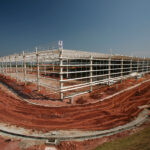
After site prep and foundations, the project moves into shell construction. This includes the physical structure that will house the facility’s critical systems.
Work may include:
- Structural steel
- Concrete or tilt-up panels
- Roofing
- Exterior walls
- Weatherproofing
- Loading areas
- Equipment yards
- Interior buildout preparation
During this phase, general contractors, construction superintendents, QA/QC teams, safety professionals, and trade leads need tight coordination. A missed handoff between shell construction and MEP installation can create rework, schedule compression, or access conflicts.
5. MEP Installation and System Integration
MEP installation is one of the most important phases of the data center construction process. This is where the facility’s power, cooling, fire protection, controls, and support systems come together.
MEP installation may include:
- Utility service equipment
- Transformers, switchgear, and UPS systems
- Backup generators and power distribution units
- Chillers, pumps, and CRAH or CRAC units
- Fire suppression, controls, and BMS
- Security, low-voltage, and structured cabling pathways
This phase requires specialized talent. Electricians, mechanical technicians, controls technicians, low-voltage teams, safety leaders, and field supervisors all need to work in sequence.
This is also where staffing gaps can become costly. If a project lacks enough qualified electrical or mechanical talent, work can slow down before commissioning even begins. If installation quality is inconsistent, issues may not appear until integrated testing, when delays are harder to absorb.
6. Network, Cabling, and IT Infrastructure Readiness
As the building systems move forward, teams also prepare the network and IT infrastructure.
This may include:
- Fiber pathways
- Cable trays
- Rack and cabinet placement
- Labeling
- Patch panels
- Network hardware
- Testing and documentation
- Coordination with IT and operations teams
This stage is easy to underestimate. Clean cabling, accurate labeling, and strong documentation can make turnover much smoother. Poor coordination can create confusion when the facility moves into testing, go-live, or ongoing operations.
Data center technicians, structured cabling technicians, network technicians, and operations leaders should be part of this process before the final handoff.
7. Commissioning, Testing, and Issue Resolution
Commissioning is the structured process of testing and validating that all critical systems perform as designed. It is not just a final checklist. It is a detailed verification process that helps confirm the facility can operate under normal conditions and failure scenarios.
Data center commissioning may include:
- Factory acceptance testing
- Site acceptance testing
- Equipment inspections
- Functional performance testing
- Integrated systems testing
- Load bank testing
- Failover testing
- Power outage simulations
- Cooling performance testing
- Controls validation
- Deficiency tracking
This is where many projects face pressure. A facility may look complete, but if electrical, mechanical, cooling, or controls systems do not perform correctly together, turnover can be delayed.
An electrical commissioning engineer plays a key role during this phase by testing and verifying the power path, including systems such as switchgear, UPS units, generators, transfer switches, and distribution equipment.
As demand rises, experienced commissioning professionals are becoming harder to secure, especially for projects moving toward aggressive turnover dates. Planning commissioning support early can help reduce late-stage testing delays and turnover risk.
8. Turnover, Documentation, and Operational Readiness
Turnover is the final handoff from construction to operations. It is where the facility moves from being a construction project to an operating environment.
This stage often includes:
- O&M manuals
- As-built drawings
- Commissioning reports
- Test logs
- Punch list resolution
- Asset documentation
- Warranty information
- Training records
- Safety documentation
- Operations team handoff
A strong turnover process helps the operations team understand the systems they are inheriting. It also reduces the risk of confusion during early operation.
This is why staffing should not end when construction crews leave. Facilities managers, data center technicians, critical facilities engineers, and operations teams need to be ready before go-live.
Data Center Construction Timeline by Phase
The exact timeline depends on scale, design complexity, permitting, power availability, equipment lead times, and market conditions. However, most projects follow a similar sequence.
| Phase | Typical Duration | Key Risk |
| Site selection and permitting | 3 to 18 months | Power, zoning, utility delays |
| Site prep and civil work | 2 to 6 months | Weather, access, foundation issues |
| Design and procurement | 6 to 12 months | Late equipment orders |
| Shell construction and MEP install | 12 to 24 months | Trade coordination and labor gaps |
| Commissioning and turnover | 3 to 6 months | Failed tests, missing documentation |
The key lesson is simple: the timeline is not only controlled by construction progress. It is also controlled by permitting, utilities, equipment, commissioning, and talent availability.
Common Data Center Construction Delays and How to Reduce Them
Data center construction delays often happen when planning, procurement, staffing, and testing are not aligned.
Long-Lead Electrical Equipment
Electrical infrastructure is one of the most common schedule risks. Transformers, switchgear, generators, UPS systems, and other major components can have long lead times.
Early procurement planning helps reduce schedule risk, especially for major electrical equipment.
Late Design Changes
Design changes can affect equipment, layout, trade sequencing, and commissioning plans. Clear design reviews and early coordination help reduce rework once procurement or installation begins.
Trade Coordination Problems
Data center projects require electrical, mechanical, low-voltage, controls, fire protection, and security teams to work in sequence. Strong field supervision helps prevent one delayed trade from affecting several others.
Commissioning Bottlenecks
Commissioning can expose issues that were missed earlier in the project. It can also slow down when qualified commissioning professionals are brought in too late.
The best approach is to plan commissioning early. Commissioning teams should understand the design, equipment, documentation, and test expectations before final validation begins.
Skilled Labor Shortages
The demand for data center talent continues to grow. Competition is especially strong for experienced technicians, engineers, project managers, and commissioning professionals.
This is where workforce planning becomes part of project risk management. When staffing is handled too late, projects can lose time during installation, QA/QC, commissioning, and turnover.
Data Center Construction Staffing by Project Phase
A strong data center construction plan should include a phase-by-phase workforce plan.
| Construction Phase | Roles to Plan For |
| Site planning | Owner’s rep, development lead, utility consultant, project executive |
| Design and engineering | MEP design engineer, electrical engineer, mechanical engineer, controls engineer |
| Site prep | Construction manager, civil crews, safety lead, field supervisor |
| Shell construction | General contractor, superintendent, QA/QC lead, safety manager |
| MEP installation | Electricians, HVAC technicians, controls technicians, generator specialists, low-voltage teams |
| Network readiness | Data center technicians, structured cabling technicians, network technicians |
| Commissioning | Commissioning engineer, electrical commissioning engineer, mechanical commissioning engineer, controls specialist |
| Turnover and operations | Facilities manager, critical facilities engineer, data center technician, operations lead |
Late hiring creates the most pressure near commissioning and turnover, when there is less room to absorb delays.
How Broadstaff Supports Data Center Construction Staffing and Recruiting
Each phase of data center construction depends on having the right people in place before delays affect installation, commissioning, or turnover.
Broadstaff helps companies support fast-moving digital infrastructure projects across hyperscale, colocation, carrier hotel, and edge environments. That includes the project leadership, technical specialists, commissioning support, and operations talent needed to keep construction moving.
For builders and operators, data center staffing and recruiting is not just about filling open positions. It is about protecting schedule, safety, quality, and operational readiness before workforce gaps become project risks.
Building a Data Center Is a Construction Project and a Workforce Project
The data center construction process starts with site planning and ends with operational readiness. Between those points, every phase depends on careful coordination across design, procurement, construction, testing, documentation, and staffing.
The strongest projects plan for the people needed at each stage, from site prep and MEP installation to commissioning and turnover.
If your team is preparing for a data center build, expansion, or commissioning push, Broadstaff can help you find the project-ready talent needed to keep critical infrastructure moving.
Contact Broadstaff to support your next data center construction staffing need.
FAQs About the Data Center Construction Process
What is the data center construction process?
The data center construction process is the full sequence of planning, site prep, design, procurement, construction, MEP installation, commissioning, and turnover. It covers everything needed to move a facility from concept to operation.
What are the main phases of data center construction?
The main phases include site selection, permitting, site prep, design, procurement, shell construction, MEP installation, network setup, commissioning, and operational handoff.
How long does data center construction take?
The construction phase often takes 18 to 30 months, while the full project lifecycle can take several years depending on permitting, power access, equipment lead times, and project scale.
What happens during data center site prep?
Site prep includes clearing, grading, drainage, access roads, utility pathways, grounding systems, foundations, and early construction logistics. This phase prepares the site for the building structure and critical infrastructure.
What is data center commissioning?
Data center commissioning is the process of testing and validating that critical systems perform as designed. It usually includes electrical testing, mechanical testing, controls validation, load testing, and integrated systems testing.
How can Broadstaff help with data center construction staffing?
Broadstaff helps companies find specialized data center talent, including technicians, engineers, project managers, commissioning professionals, and critical facilities staff for construction, commissioning, and operations.
 Previous Post
 Next Post